Guardian analysis finds more than 150,000 tonnes of fuel was shipped to Russian ports in July and August, some using sanctioned tankers

Updated: Oct 12
[Based on The Guardian Article by: Raphael Rashid - 2026.10.06]
🔗 Read the Original Article: [Click Here]
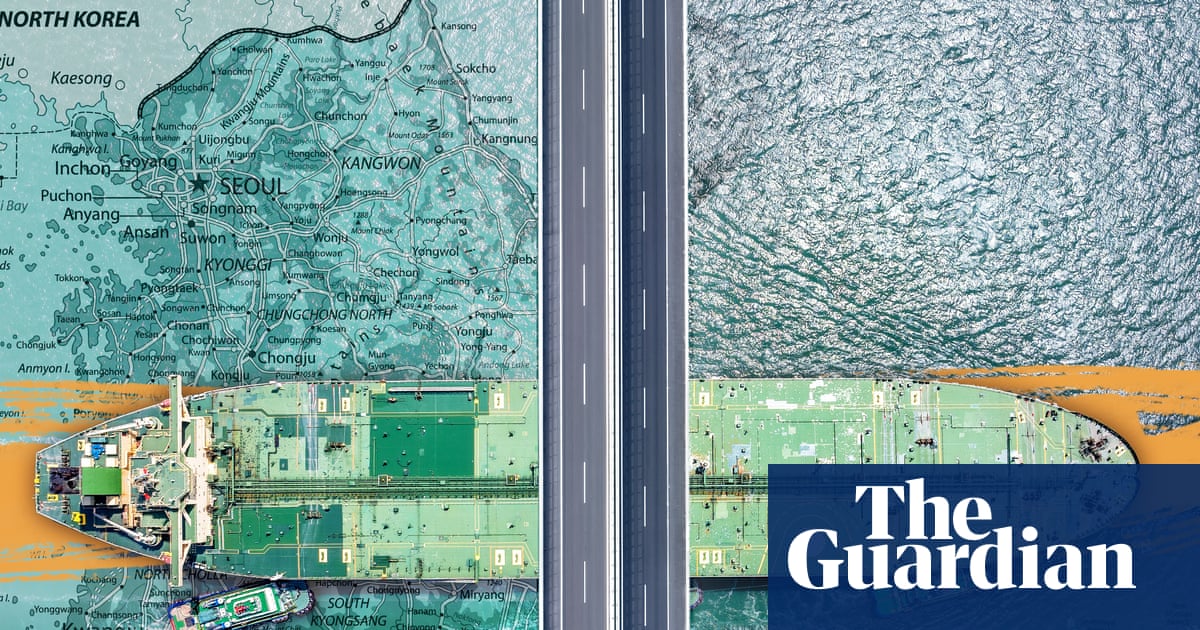
A recent investigation by The Guardian raised new questions about the transparency of fuel shipments between South Korea and Russia amid the ongoing war in Ukraine.
Analysis of port records and vessel-tracking data found that more than 176,000 tonnes of fuel, primarily diesel, was shipped from South Korean ports to Russia in July and August 2026. The investigation identified seven tankers making 14 voyages to Russia's Far East, including three vessels that were already subject to sanctions imposed by the UK and European Union. One of the sanctioned vessels received its cargo through a ship-to-ship transfer in South Korean waters, rather than loading directly at a port. These findings highlight how gaps in shipping and trade transparency can make it difficult to identify the origin, ownership and destination of commodities moving through international supply chains.
Sanctioned vessels operating through South Korean waters
Among the vessels identified in the investigation was the tanker Layla, which was under sanctions and made two voyages from Ulsan to Vladivostok in July and August, carrying approximately 57,000 tonnes of diesel in total. Another sanctioned tanker, the Russian-flagged Astoria, loaded almost 11,000 tonnes of fuel at Ulsan before sailing to Vladivostok. The tanker Chongchon did not enter a South Korean port. Instead, it received approximately 26,000 tonnes of fuel from another tanker, Celeste I, at an anchorage off Yeosu before travelling to Vladivostok. Ship-to-ship transfers can make supply chains considerably more difficult to trace. Although such transfers can have legitimate commercial purposes, they can also obscure a vessel's movements, the origin of its cargo and the parties involved in a transaction. The use of this method by a sanctioned vessel raises particular concerns about the effectiveness of existing monitoring and due-diligence systems.
Following the money and the cargo
The investigation also found that the ownership and sale of some of the fuel could not be established from South Korean port records. According to maritime analytics company Kpler, some of the reported buyers included Rosneft, Russia's state-controlled oil company, and NNK, a Russian oil group whose owner Eduard Khudainatov and one of its companies, NNK-Oil, are subject to UK sanctions.
A growing role for South Korea in Russia's fuel imports
The shipments come as Russia faces increasing pressure on its domestic fuel supply. Ukrainian attacks on Russian oil refineries have disrupted refining capacity, while Russian diesel production has reportedly fallen significantly. According to Kpler data analysed by the Centre for Research on Energy and Clean Air (CREA), Russia imported 368,000 tonnes of oil products by sea in August 2026, more than seven times the previous month and the highest monthly total since the beginning of the full-scale invasion of Ukraine. South Korea accounted for approximately 112,000 tonnes, or 31%, making it the second-largest source of Russia's seaborne oil-product imports that month. The increase in shipments is particularly notable given South Korea's public support for Ukraine. Seoul has provided humanitarian assistance and non-lethal military supplies to Ukraine and has pledged financial support for reconstruction. At the same time, South Korea has sought to maintain economic and diplomatic ties with Russia and has not directly supplied lethal weapons to Ukraine.
The transparency gap
South Korea's government stated that the shipments did not appear to violate South Korean law. Its measures against Russia primarily focus on export controls covering strategic and other goods with potential military applications. This distinction is important. A transaction can be legal under the laws of one country while still creating significant sanctions-compliance or transparency concerns in another jurisdiction. The case demonstrates why trade transparency cannot rely solely on whether a transaction is technically legal at the point of export. Effective monitoring also requires access to reliable information about vessels, cargoes, ownership structures, intermediaries and final destinations. This is particularly important when vessels change their declared destinations, conduct ship-to-ship transfers, or operate under complex ownership and management structures. In the case examined by The Guardian, one tanker reportedly declared Japan as its destination to South Korean authorities before travelling to Vladivostok. Another sanctioned tanker similarly declared Singapore while ultimately heading to Russia. Such discrepancies demonstrate why independent vessel-tracking data and cross-referencing of shipping records can be essential tools for identifying potential risks that may not be visible in official trade records alone.
Why transparency matters
The movement of fuel from South Korea to Russia is not simply a question of bilateral trade. It demonstrates how modern supply chains can connect companies, vessels and financial interests across multiple jurisdictions, making accountability increasingly difficult. For researchers, journalists, governments and civil society organizations, transparent trade data can help reveal these connections. The case also highlights the importance of monitoring maritime supply chains, particularly where sanctioned vessels or companies are involved. Ship-to-ship transfers, changes in declared destinations and opaque ownership structures can all make it harder to determine who ultimately benefits from a transaction.
Greater transparency around these activities can help governments and businesses conduct more effective due diligence, identify sanctions risks and assess whether their trade relationships may contribute to activities they publicly oppose.
As international sanctions regimes become increasingly complex, access to reliable and verifiable information will remain essential for understanding how goods, money and resources move across borders.
The question is not only where a shipment begins and ends, but who is involved along the way.